Defense contractors are actively recruiting veterans, bringing elite skills and proven dedication to the forefront of national security. This powerful synergy fuels innovation and strengthens our nation’s defense with unmatched expertise. It’s a mission-driven career path where continued service meets cutting-edge technology.
The Strategic Value of Veteran Talent
Beyond their commendable service, veterans possess a strategic value that directly translates to corporate success. They enter the civilian workforce with a unique operational resilience forged in high-stakes environments, demonstrating calm leadership under pressure and an unwavering commitment to mission accomplishment. This mindset, coupled with advanced technical training and a deep understanding of structured logistics, allows them to optimize processes and strengthen team cohesion from day one. Hiring veterans isn’t just an act of gratitude; it’s a strategic talent acquisition that injects discipline, adaptability, and a results-oriented perspective into an organization’s core.
Q: How does veteran experience benefit a corporate team?
A: Veterans excel in dynamic situations, bringing proven skills in planning, rapid adaptation, and leading diverse groups toward a common objective, which enhances overall team reliability and performance.

Inherent Security Clearances and Cost Savings
Beyond the uniform lies a reservoir of proven leadership and resilience. Veterans bring a unique strategic human capital advantage to the civilian workforce, forged in high-stakes environments where adaptability and mission focus are paramount. Their experience in complex problem-solving under pressure translates directly to driving operational excellence and fostering unshakable team cohesion in corporate settings, turning diverse challenges into structured successes.
Proven Leadership and Performance Under Pressure
Beyond their commendable service, veterans bring a decisive strategic value to the civilian workforce. They operate with a mission-first mindset forged in high-stakes environments, translating to unparalleled reliability and calm under pressure. This military veteran recruitment advantage provides organizations with leaders who excel in adaptive teamwork, complex problem-solving, and executing with precision under tight deadlines, directly strengthening operational resilience and driving bottom-line results.
Technical Proficiency and Familiarity with Systems
Veterans bring a mission-critical leadership advantage to the civilian workforce, forged in high-stakes environments. Their training instills unparalleled accountability, adaptability under pressure, and a team-centric ethos. This translates directly to reliable talent that strengthens organizational resilience, drives operational excellence, and enhances team cohesion. Leveraging this cohort is not just patriotic; it’s a strategic imperative for building a robust and agile company culture capable of navigating complex challenges.
Q: How do veterans improve team performance?
A: Their ingrained discipline and focus on collective mission success often elevate team accountability and collaboration.
Key Roles for Veterans in Defense Contracting
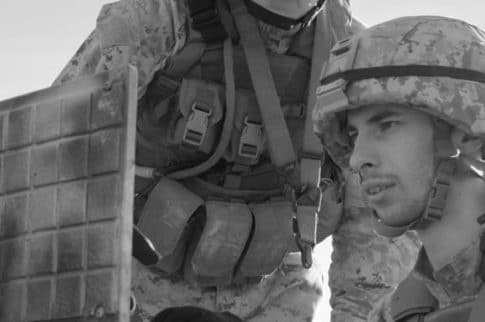
Veterans bring critical expertise to defense contracting, directly enhancing national security. Their operational experience is invaluable for requirements analysis and systems testing, ensuring products meet real-world needs. They excel in program management, logistics, and field service roles, providing essential continuity between the military and its industrial partners. This workforce also strengthens cybersecurity defense, applying intimate knowledge of threat landscapes. Their leadership and understanding of military culture foster effective communication and trust, making them indispensable for project success and lifecycle support.
Q: Why are veterans particularly suited for defense contracting roles?
A: Their firsthand military experience provides unmatched insight into operational requirements, end-user needs, and the security protocols essential for developing and sustaining effective defense systems.
Program Management and Systems Engineering
Veterans are uniquely positioned to drive innovation and ensure mission success within the **defense contracting industry**. Their firsthand operational experience provides critical insight for developing realistic training programs, testing equipment under simulated combat conditions, and advising on practical logistics and procurement strategies. This direct battlefield knowledge bridges a crucial gap between the warfighter’s needs and the engineer’s blueprint. Their leadership and security expertise further make them invaluable for project management and safeguarding classified technologies, ensuring contracts deliver effective, reliable solutions to the forces in the field.
Field Service Representatives and Technical Trainers

Veterans are uniquely positioned to excel in **defense contracting careers**, bringing critical expertise from their military service. Their firsthand operational experience with systems and protocols allows them to bridge the gap between warfighter needs and contractor solutions. This deep understanding enhances product development, testing, and lifecycle support, ensuring that contracted deliverables are practical, reliable, and mission-ready. Their ingrained leadership and security acumen further contribute to project integrity and successful execution within the complex defense acquisition landscape.
Logistics, Supply Chain, and Cybersecurity Analysis
Veterans bring an unparalleled **operational expertise to defense contracting**, transitioning from the battlefield to the boardroom with decisive impact. Their firsthand experience with equipment and complex protocols allows them to bridge the critical gap between contractor engineers and warfighter needs. They ask the hard questions born from real-world scenarios. This unique perspective is invaluable for developing realistic training systems, refining logistics strategies, and ensuring that cutting-edge technology truly enhances mission readiness and soldier safety on the front lines.
Challenges in the Transition to Civilian Contracting
The transition to civilian contracting presents multifaceted challenges for former military personnel. While their technical skills are often directly transferable, adapting to a corporate culture with less rigid hierarchy and different communication styles can be difficult. Furthermore, veterans must learn to effectively translate their security clearances and operational experience into compelling civilian resume keywords that resonate with private-sector hiring managers. The absence of a structured support system, compared to military life, also requires significant personal adjustment in navigating career paths, benefits, and a new professional identity outside a uniformed service.
Translating Military Experience to Corporate Requirements
The transition to civilian contracting presents a complex web of challenges for separating military personnel. Beyond translating skills into corporate jargon, veterans must navigate a foreign culture where rank and direct orders are replaced by office politics and ambiguous influence. This **military to civilian career transition** requires mastering self-marketing, often without a clear roadmap, while simultaneously adjusting to a less structured work-life balance. The loss of a deeply ingrained mission-driven identity can be the most profound hurdle, making the shift feel more like a reinvention than a simple job change.
Navigating Corporate Culture vs. Military Structure
The transition to military to civilian contracting presents significant professional hurdles, demanding a complete mindset shift from a structured command environment to a competitive, profit-driven marketplace. Key challenges include translating military skills into commercial terminology, building a non-military network, and navigating complex bid and proposal processes without institutional support. Veteran career transition services are crucial for bridging this gap. Ultimately, success hinges on repackaging immense operational experience into a compelling value proposition for corporate clients.
Maintaining and Transferring Security Clearances
The transition to civilian contracting presents significant challenges for former military personnel. A primary hurdle is the **civilian-military skills translation**, where highly specialized operational experience does not always align with commercial job requirements or resume keywords. Furthermore, navigating an entirely different corporate culture, without the familiar rank structure and mission clarity, can lead to disorientation. The loss of a deeply ingrained sense of purpose and community often compounds the practical difficulties of securing stable employment, making the shift profoundly complex on both professional and personal levels.
Best Practices for Veteran Recruitment and Retention
Effective veteran recruitment begins with targeted outreach through military transition programs and veteran-focused job boards, clearly highlighting transferable skills. Retention requires creating an inclusive culture with mentorship programs and veteran employee resource groups. Providing clear pathways for advancement and offering support for mental health and continued education are crucial. Organizations should also train hiring managers on military experience and avoid unconscious bias during recruitment. Ultimately, successful veteran integration hinges on recognizing their unique strengths and fostering a workplace where they can thrive long-term.
Building Partnerships with Transition Assistance Programs
Effective veteran recruitment and retention hinges on translating military experience into civilian role competencies. A dedicated veteran hiring program should utilize skills-matching software and train recruiters on military occupational specialties. Military skills translation for civilian jobs is critical for accurate role placement and setting veterans up for success from day one.
Creating Military-Friendly Hiring and Onboarding Processes
Effective veteran recruitment and retention hinge on understanding military skills translation and fostering an inclusive culture. A dedicated veteran hiring program should utilize military-friendly job boards and train recruiters on evaluating military experience. For retention, establish mentorship pairings and employee resource groups to support transition. Leadership should actively champion these initiatives from the top down. Providing clear pathways for career advancement and recognizing the unique discipline and teamwork veterans offer ensures they become long-term organizational assets.
Establishing Veteran Employee Resource Groups (ERGs)
Effective veteran recruitment and retention hinges on authentic integration. Proactively build military talent pipelines by partnering with transition programs and using skills-translation tools to accurately map military experience to civilian roles. Retention requires ongoing support; establish a dedicated Veteran Employee Resource Group (VERG) to foster community and provide mentorship. Leadership must champion an inclusive culture that values diverse perspectives, ensuring veterans feel respected and see a long-term career path, directly boosting organizational stability and institutional knowledge.
The Future of Veteran Hiring in the Sector
The future of veteran hiring in the sector is dynamic, driven by a strategic shift from goodwill to recognizing military talent as a competitive edge. Companies are moving beyond basic recruitment to create integrated career pathways, leveraging leadership, adaptability, and technical skills honed in service. This evolution is powered by sophisticated skills translation technologies and dedicated mentorship programs, ensuring veterans thrive in civilian roles. As organizations prioritize diverse, resilient teams, proactively recruiting this talent pool becomes a critical component of workforce innovation and long-term organizational strength.
Leveraging Skills from New Domains (Space, Cyber, EW)
The future of veteran hiring in the sector is being reshaped by technology and targeted programs. Companies are moving beyond traditional recruitment to leverage specialized **military skills translation platforms** that effectively match veteran experience with civilian roles. This strategic approach addresses critical talent gaps in leadership, logistics, and cybersecurity. Success will https://www.wxyz.com/lifestyle/these-are-the-best-companies-for-veterans-according-to-monster depend on sustained corporate commitment to onboarding and mentorship, ensuring veterans‘ unique capabilities drive long-term organizational resilience and innovation.
The Impact of AI and Automation on Veteran Roles
The veteran hiring landscape is shifting from a moral obligation to a recognized strategic advantage. Forward-thinking companies now actively cultivate military talent pipelines, valuing the unparalleled leadership, resilience, and complex problem-solving skills forged in service. The future lies in dedicated transition programs that translate military experience into corporate competencies, ensuring these skilled professionals not only join but thrive and lead. This evolution promises a stronger, more adaptable workforce built on a foundation of proven character and discipline.
Sustaining the Pipeline Amidst Changing Demographics
The future of veteran hiring in the sector is being reshaped by targeted skills translation and dedicated transition programs. Employers are moving beyond generic appreciation to actively mapping military experience, like logistics and crisis management, onto specific civilian roles. This strategic talent acquisition is supported by internal mentorship and leadership pathways designed to retain this high-value talent.
This focus on direct skills alignment significantly increases retention and advancement rates for veteran employees.
Ultimately, a commitment to **strategic veteran talent acquisition** builds a more resilient and capable workforce, turning proven service into organizational strength.